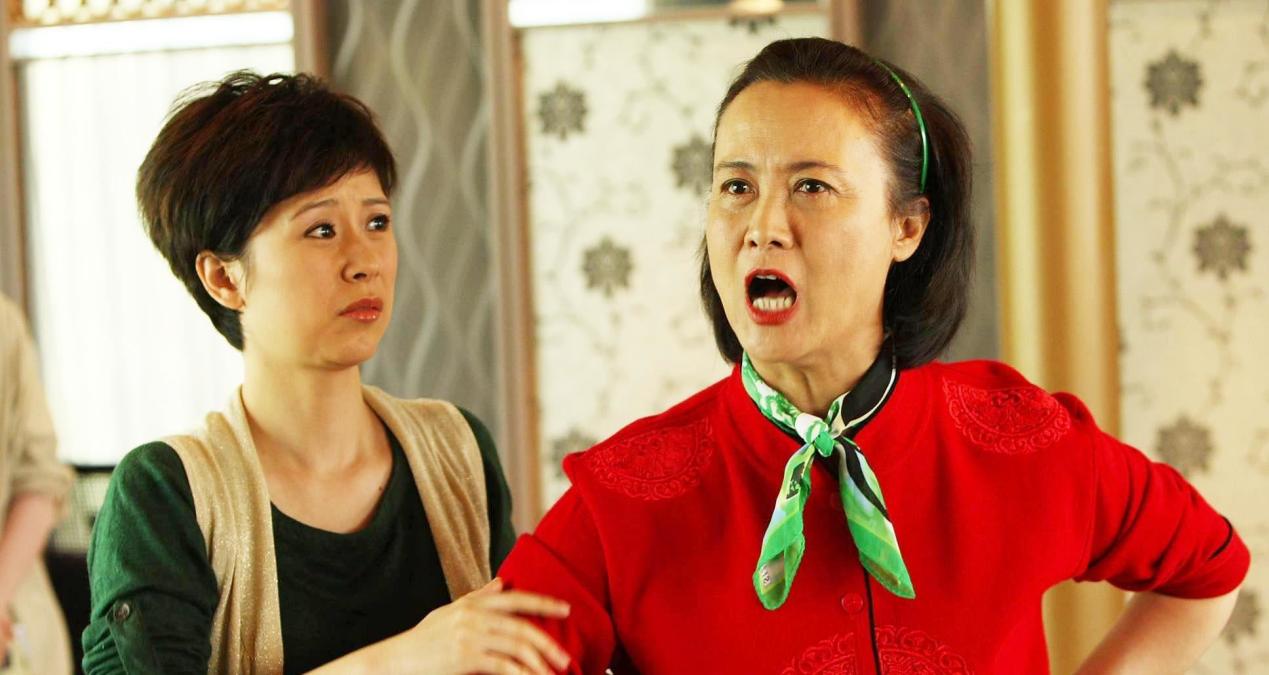
A Beautiful Daughter-in-Law Era (TV Drama)
Introduction
A Beautiful Daughter-in-Law Era is a Chinese family TV drama series that first premiered on November 26, 2009, on the Shanghai TV channel. The series consists of 36 episodes and is categorized as a light comedy. Its narrative revolves around the modern dynamics of a Chinese couple, exploring themes of familial relationships, personal growth, and cultural nuances. Due to its engaging storyline and relatable characters, the series gained significant attention both domestically and internationally. The show became particularly popular in African countries, where it was introduced in 2011 and dubbed in Swahili, making it accessible to a broader audience. The series was broadcast through the Tanzania Broadcasting Corporation, further enhancing its reach and reception in Africa.
Plot Summary
A Beautiful Daughter-in-Law Era intricately weaves the life of a modern Chinese couple, focusing on their interpersonal relationships and the societal pressures they endure. The storyline delves into the comedic yet heartfelt clashes between the daughter-in-law and her mother-in-law, a dynamic that resonates universally. As the plot unfolds, viewers are taken on a journey of misunderstandings, reconciliations, and the gradual deepening of family bonds. The series meticulously portrays the emotional entanglements and challenges faced by the couple as they navigate through life's hurdles, while also offering a glimpse into the blend of traditional Chinese values and contemporary lifestyle. The narrative is further enriched by subplots that explore friendships and professional dilemmas, painting a comprehensive picture of modern urban life in China.
Production
The series was crafted with the intention of appealing to a broad audience, balancing humor with poignant moments that highlight the intricacies of familial relationships. The production team focused on creating authentic settings and scenarios that reflect the everyday lives of modern Chinese families, while also incorporating elements of traditional culture. The script, penned by Wang Liping, captures universal themes of love, kindness, and warmth, resonating with audiences across cultures. The decision to dub the series in Swahili and broadcast it in Africa was a strategic move to broaden its impact and accessibility.
Broadcast and Reception
Upon its initial release in China, A Beautiful Daughter-in-Law Era quickly gained traction for its humorous and touching portrayal of family life. Presented in a comedic style, the show delves into social phenomena such as modern-day mother-in-law and daughter-in-law dynamics, relationships between sisters-in-law, and the marriage attitudes of individuals born in the 1980s. It celebrates the power of kindness and conveys ideals of beauty, resonating with a broad audience and earning their praise. Many viewers find the series to be highly relatable and authentic, evoking both emotions and inspiration. The storyline elicits laughter and tears, prompting viewers to reflect deeply on life. The in-depth portrayal of characters with noticeable flaws and their believable transformation process are particularly noteworthy.
Its success was not limited to Chinese audiences; the series made its way to African countries, where it received an enthusiastic reception. The translation and dubbing efforts facilitated by the Tanzania Broadcasting Corporation played a pivotal role in its overseas popularity. African audiences appreciated the series for its relatable depiction of familial tensions and resolutions, which mirrored their own experiences. The series' broadcast in Africa marked a significant step in cultural exchange and highlighted the potential of Chinese TV dramas to captivate international audiences. Its success in Africa also paved the way for further collaboration and integration of Chinese cultural content in the region.
Cultural Impact
A Beautiful Daughter-in-Law Era has had a notable cultural impact, particularly in its role as a bridge between Chinese and African cultures. The series provided African viewers with insights into modern Chinese society, showcasing the blend of traditional and contemporary values through its storytelling. The show's popularity in Africa is a testament to its universal themes and the power of storytelling in transcending cultural barriers. Additionally, the series' success has contributed to the broader China-Africa media cooperation, encouraging the sharing of content and artistic collaboration between the regions. The positive reception of A Beautiful Daughter-in-Law Era underscores the potential of television as a medium for fostering understanding and appreciation of diverse cultures.








